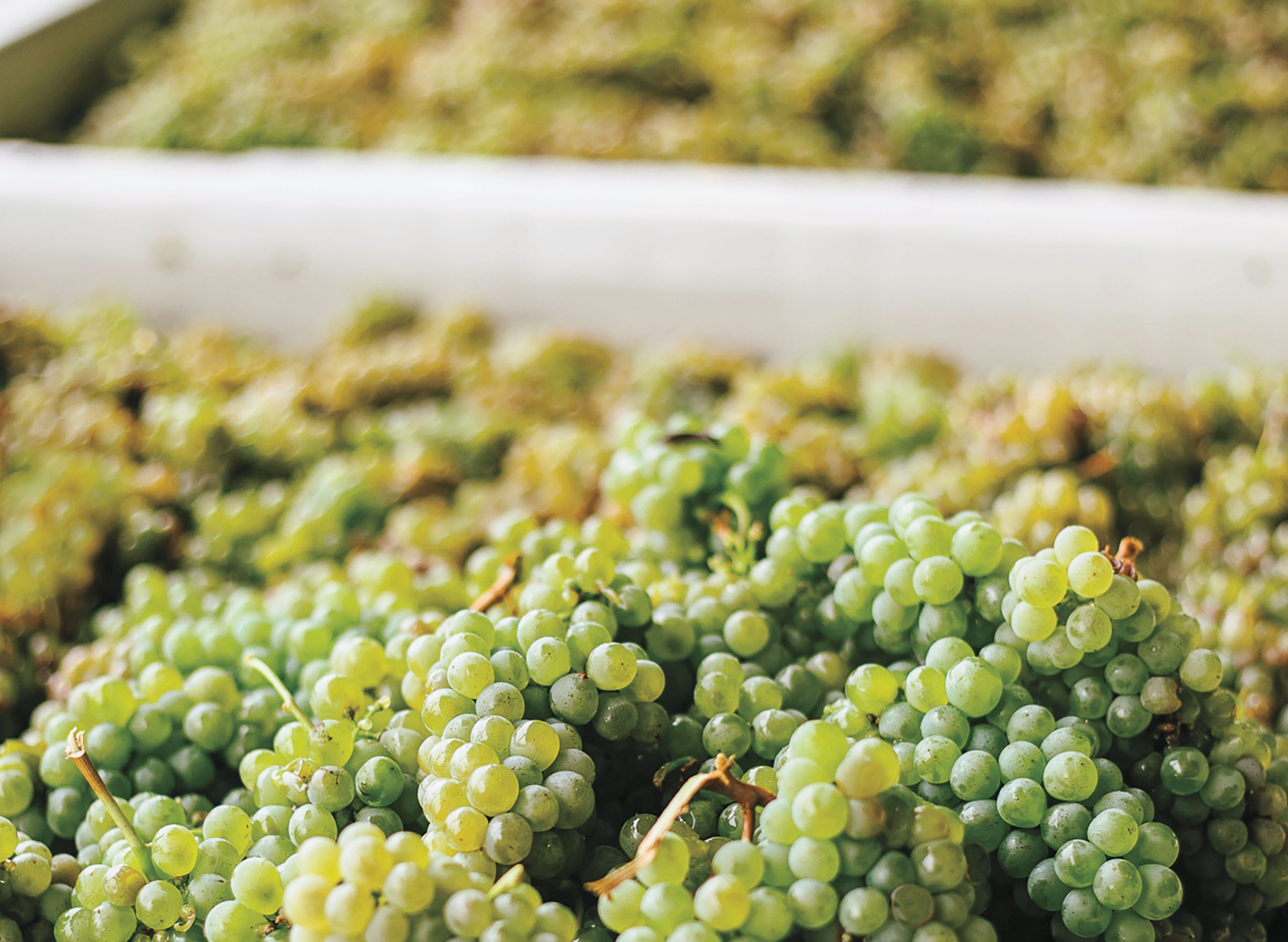
As one of the most versatile wine grapes, Chardonnay has a chameleon-like ability to uniquely express itself as a reflection of where it is grown. The diversity of soil types in Napa Valley–from silty clay loam with various amounts of gravel to cole silt and bale clay loam–provides a fertile foundation for grape growers to harvest crops that can produce an array of flavors in the bottle.
Additionally, the range of microclimates throughout Napa Valley positively influences the development of the vines. From the morning fog and breezes off the San Pablo Bay, to the warm and dry summer days and much cooler nights when the temperature drops low enough for slow ripening, Napa Valley Chardonnay can transform into a wine that is flavorful, age-worthy, robust, lean and, most importantly, balanced.
Throughout the 1990s and early 2000s, a pivotal moment in which California Chardonnay reached global recognition, the flavor profile held the reputation of being characterized as high alcohol, overtly oaky and buttery. While appreciated and adored by some consumers, many were often quick to exclaim, “anything but Chardonnay!”
Today, as the evolution of Chardonnay continues, second- and third-generation winemakers of family-owned vineyards in Napa Valley are making wines that combine heartfelt tradition with innovation, while showcasing the true versatility of this variety.
As a second-generation winemaker, Christopher Vandendriessche has always had an affinity for science, with a particular fascination for the fermentation process. After attending the University of Bordeaux for enology, he returned to the United States to work with two well-known Napa Chardonnay producers and in 1999 became head winemaker at his family’s White Rock Vineyards.
What Vandendriessche likes most about making Chardonnay in Napa Valley is that it shows the terroir of the vineyard, ultimately giving the wine a sense of place. Because of his family’s vineyard location at the bottom of the valley, White Rock Vineyards has a unique soil composition of volcanic ash and bedrock, which yields fruit that is more concentrated and mineral in flavor.
“I’m not trying to completely change the flavor of a wine to make it taste like my idea of a wine,” Vandendriessche says. “I make wine in the traditional way with small oak barrels and default to noninterventionist methods. Working with my brother, we then determine the balances of each vintage and I try to coax the wine in the direction of balance.”
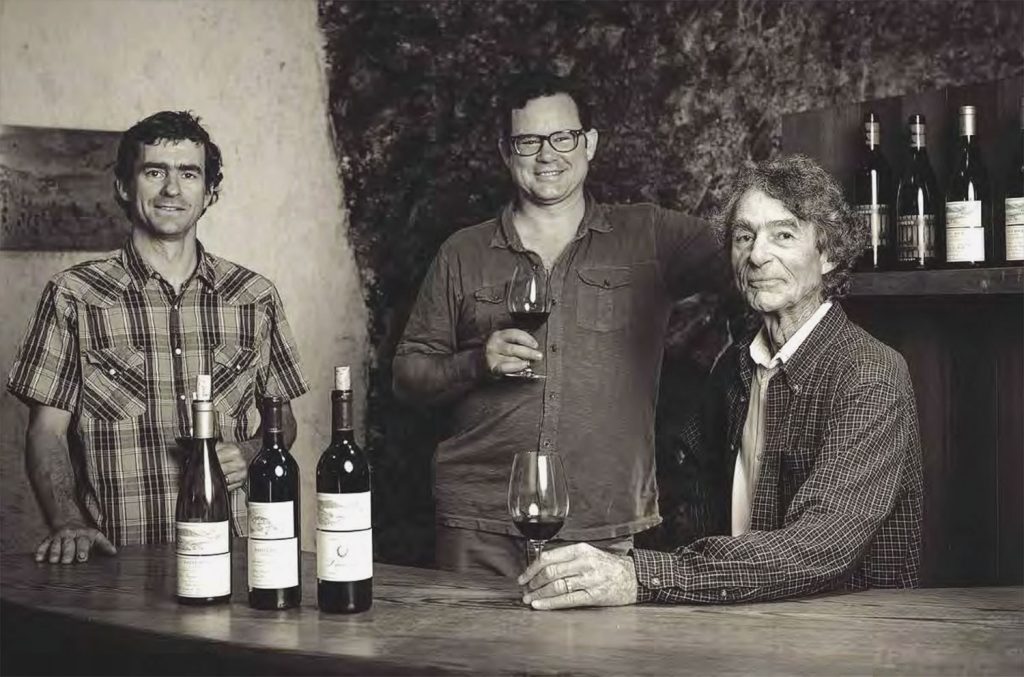
Back in 1985 when her parents got into the wine business, Suzanne Groth, president and CEO of Groth Vineyards & Winery, notes that Chardonnay was the variety that everyone was eager to make. Within the first 12 years of winemaking, her parents made Chardonnay that spoke to a style that was popular at the time. But over time, they shifted their tastes to Chardonnays that were leaner and a bit racier.
Groth’s Chardonnay vines were originally planted on their Oakville estate, where the soil is made of gravel and sand, a composition that is typically ideal for growing Cabernet Sauvignon. With assistance from their winemaker at the time, they discovered Hillview Vineyard in the nearby Oak Knoll region. Here, the temperature is 20 percent cooler with a richer soil composition for more vigorous canopy development and plumper grapes to create a delicate and balanced wine. Groth says Hillview Vineyard’s cooler location also helps the grapes retain higher acidity, which is a key component to helping wine age.
“Chardonnay is often a winemaker’s favorite variety because it takes direction really well,” says Groth. “You can grow it in different vineyards, tease out different flavors, delicately oak it or oak the heck out of it. It is a malleable grape that can evolve into a lot of different styles.”
Often referred to as one of Napa Valley’s “sweet spots” for Chardonnay, the Oak Knoll District sits on the valley floor and receives lots of cooling influences from the San Pablo Bay. This proximity offers an even warming and cooling effect throughout the day that helps to create a longer growing season, thus allowing the grapes to reach their optimal ripeness.

In Oak Knoll, the 52-acre property that is Materra | Cunat Family Vineyards was originally planted with only Merlot. Purchased by brothers Brian and John Cunat in 2007, the property now grows Merlot, Petit Verdot, Malbec, Syrah, Sauvignon Blanc and Viognier, with half of the vineyard’s acreage dedicated to Chardonnay.
Materra | Cunat’s winemaker, Chelsea Barrett is a third-generation Napa Valley winemaker who has been around wine all her life. Her mother, Heidi Peterson Barrett, is a world-renowned Napa Valley winemaker; her father, Bo Barrett, is the CEO and owner of Chateau Montelena Winery; and her grandfather, Dr. Richard Peterson, was an innovator in the California wine industry since the 1950s.
As head winemaker at Materra | Cunat, Barrett ensures that fruit remains the star of the Materra wines and that the Cunat family’s presence is felt in every bottle. Brian Cunat’s wife, Miki, who is Japanese, wanted to create a line of wines for distribution in Japan and to pair with Japanese cuisine. “In addition to our more traditional Chardonnay, I also make a minimal oak Chardonnay that is mostly fermented in stainless steel drums called Shingon, which translates to ‘quiet forest,’ ” Barrett notes.
To Barrett, the quality of Chardonnay in Napa Valley continues to get better because winemakers are approaching production from both scientific and artistic perspectives. At Materra, she’s able to put her own artistic spin on the two styles she makes because of the unique ripening patterns of the grapes.
“While picking dates may change, the order of ripening of those blocks almost never changes,” Barrett said. “The grapes can ripen at different times, and the clusters and berries can differ from block to block.” Barrett also states that the even-keel temperature in Oak Knoll helps the Chardonnay to thrive consistently. “One of my favorite things about Napa Chardonnay is its balance and versatility,” she says. “Whether you are pairing it with food or sipping it on its own, there’s a style that can fit any occasion.”
Baldacci Family Vineyards has more than 50 acres of vines in three unique Napa Valley nested appellations: Calistoga, Stags Leap District and Los Carneros. The Baldacci family grows Chardonnay on its Honey B Vineyard in Los Carneros, the closest nested appellation to the Pacific Ocean, placing it at a lower elevation with a mild climate. Michael Baldacci, who has been making wine with his family for the past 10 years and became head winemaker in 2018, loves this site because it allows him to harvest when he wants and make the Chardonnay he wants without having a problem with ripening.
“As consumers become more knowledgeable about different styles of Chardonnay, we’ve now become more confident as producers to make wines that ultimately best represent our vineyard,” Baldacci says.
“[There’s a] freedom you feel as a winemaker to have control, and with a variety like Chardonnay, you’re really trying to look at how that perceived acid is coming through,” he says. Baldacci recognizes that as consumers’ perspective about Chardonnay changes, it’s important to amplify what makes this region so perfect for this grape variety.
“What makes Napa Valley Chardonnay special are the nuances of different nested appellations within the valley and the distinct approaches that individual winemakers take with this noble grape,” he says. “With all the different ways to make Chardonnay, you can definitely find a Napa Chardonnay that suits your palate.”
—
Chasity Cooper is an award-winning writer, entrepreneur and wine culture expert based in Chicago, IL.